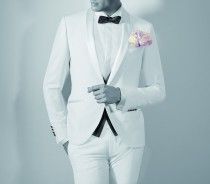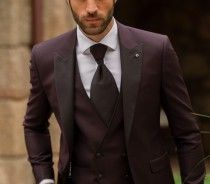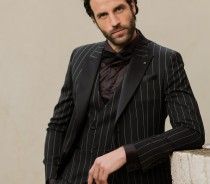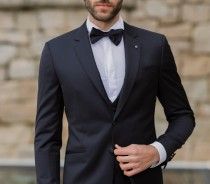

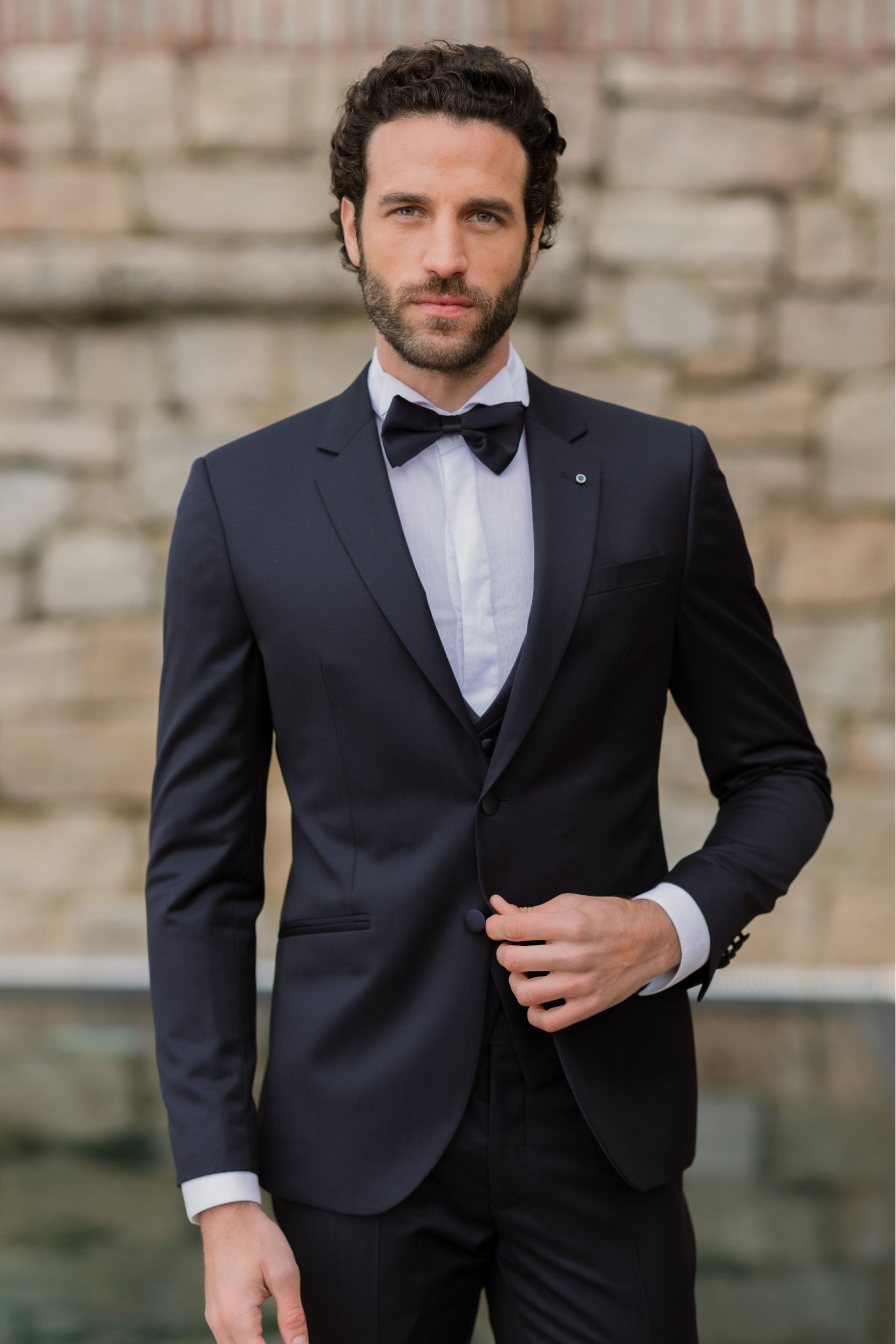
Italian tailoring represents a philosophy as much as a construction method. Unlike the structured formality of British tailoring or the minimalist severity of contemporary cuts, Italian construction prioritises natural movement and comfortable elegance, qualities particularly valuable for grooms facing twelve-hour wedding days.
The Defining Characteristics
The Soft Shoulder
Italian suits feature minimal shoulder padding, allowing the fabric to follow your body's natural line rather than imposing artificial structure. This creates a relaxed silhouette that photographs beautifully while providing genuine comfort throughout an entire day of wear. The shoulder moves when you move, no fighting against rigid construction during ceremonies, receptions, or endless photographs.
Natural Drape and Flow
Italian tailors create shape through expert pattern cutting instead of using excessive internal structure. The chest features calculated ease that drapes elegantly without puffing or pulling. This drape isn't loose – it's deliberate fabric flow that enhances the masculine form. When you raise your arms for that first dance, Italian construction accommodates gracefully.
The Balanced Waist
Italian cuts use a gentle waist suppression that creates definition without restriction. Unlike severe darting that can feel constraining, Italian tailoring shapes the silhouette through subtle techniques that flatter while maintaining comfort. You achieve a classy appearance without sacrificing the ability to breathe, sit, or move naturally.


The Construction Details
Italian tailoring distinguishes itself through hand-finished elements that improve both appearance and function. Hand-stitched lapels roll naturally rather than lying flat, creating dimension that photographs beautifully. Functional sleeve buttonholes demonstrate authentic craftsmanship and allow for practical alterations. Independent linings move separately from the outer fabric, enhancing drape and preventing the pulled appearance inferior construction creates.
These details aren't decorative affectations, but functional choices that improve how the suit performs throughout your wedding day.
Why Grooms Choose Italian Cuts
Wedding days demand constant movement. You're greeting guests, posing for photographs, sitting through ceremonies, dancing at receptions, and navigating countless moments in between. Italian construction's emphasis on natural ease means your suit facilitates these activities rather than hindering them.
The aesthetic remains thoroughly sophisticated, because this isn't casual construction masquerading as formal wear. Italian cuts deliver the elegance wedding occasions demand, and provide the comfort that long celebrations require. You look sharp in pictures while feeling comfortable throughout the day.
The Broader Context
Italian tailoring evolved in Mediterranean culture, where elegance emphasises approachability rather than intimidation. This cultural foundation manifested in construction that balances refinement with warmth, sophistication with ease. The result is a suit that photographs beautifully, wears comfortably, and creates the relaxed confidence grooms need on their wedding day.
Understanding these distinctions helps you choose a tailoring paradigm that serves your specific needs rather than simply following generic advice. Italian cuts offer particular advantages for wedding contexts, where looking exceptional and feeling comfortable aren't competing priorities but complementary requirements.